Leather and suede care
Cleaning and colour restoration
LEATHER DYEING
We read the existing shade with NCS and a COLOURLOCK scanner, then match the dye to it.
The work we do.
Our courier collects your item. We check the material, stains and damage at our workshop. We choose a suitable method and explain the chances of stain removal and any risks. We confirm the final price after inspection.
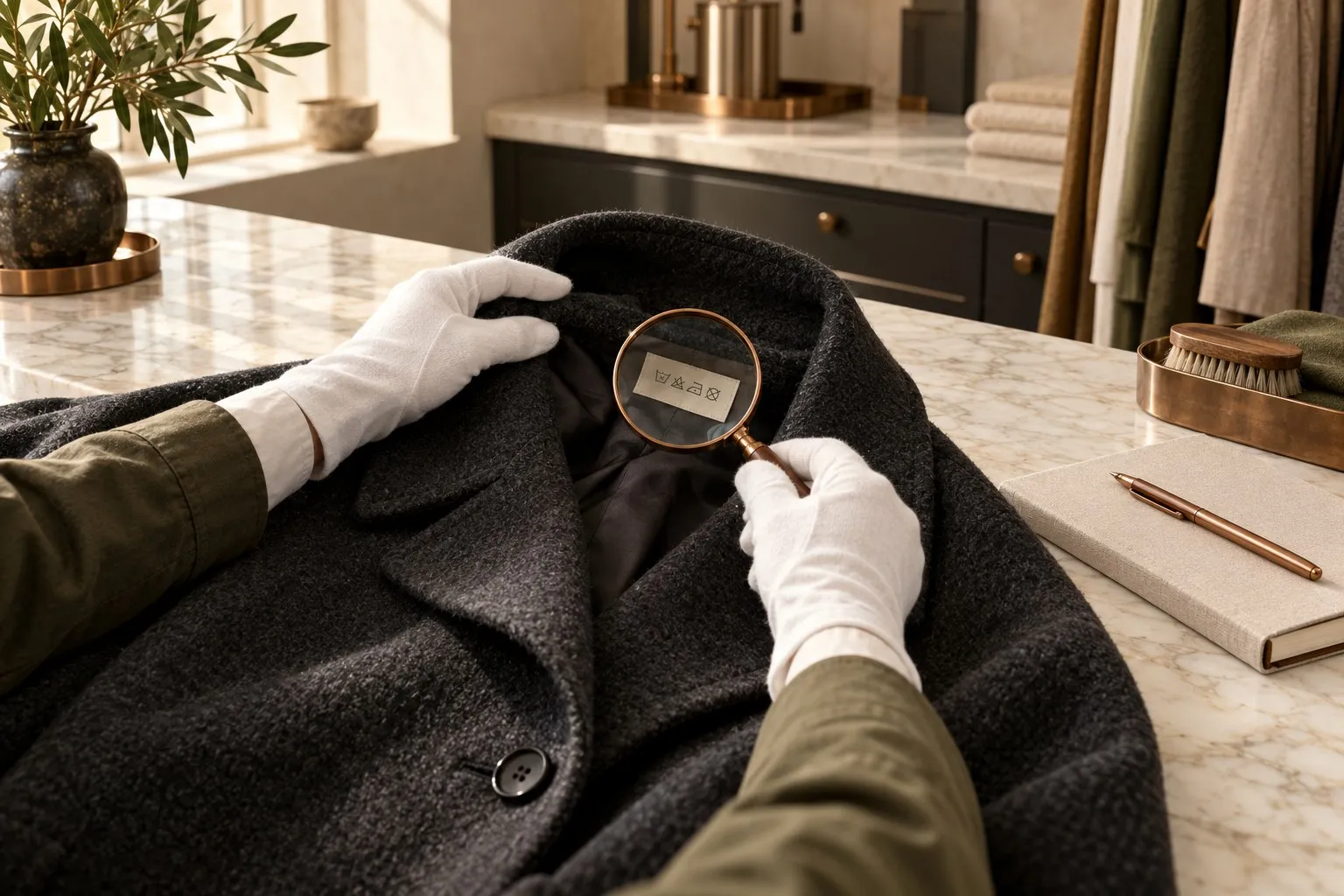
We identify the leather type: pigmented, aniline, suede or nubuck. A water drop shows how absorbent the surface is. We read the current shade with NCS and a COLOURLOCK scanner, then test the chosen dye on a hidden area.
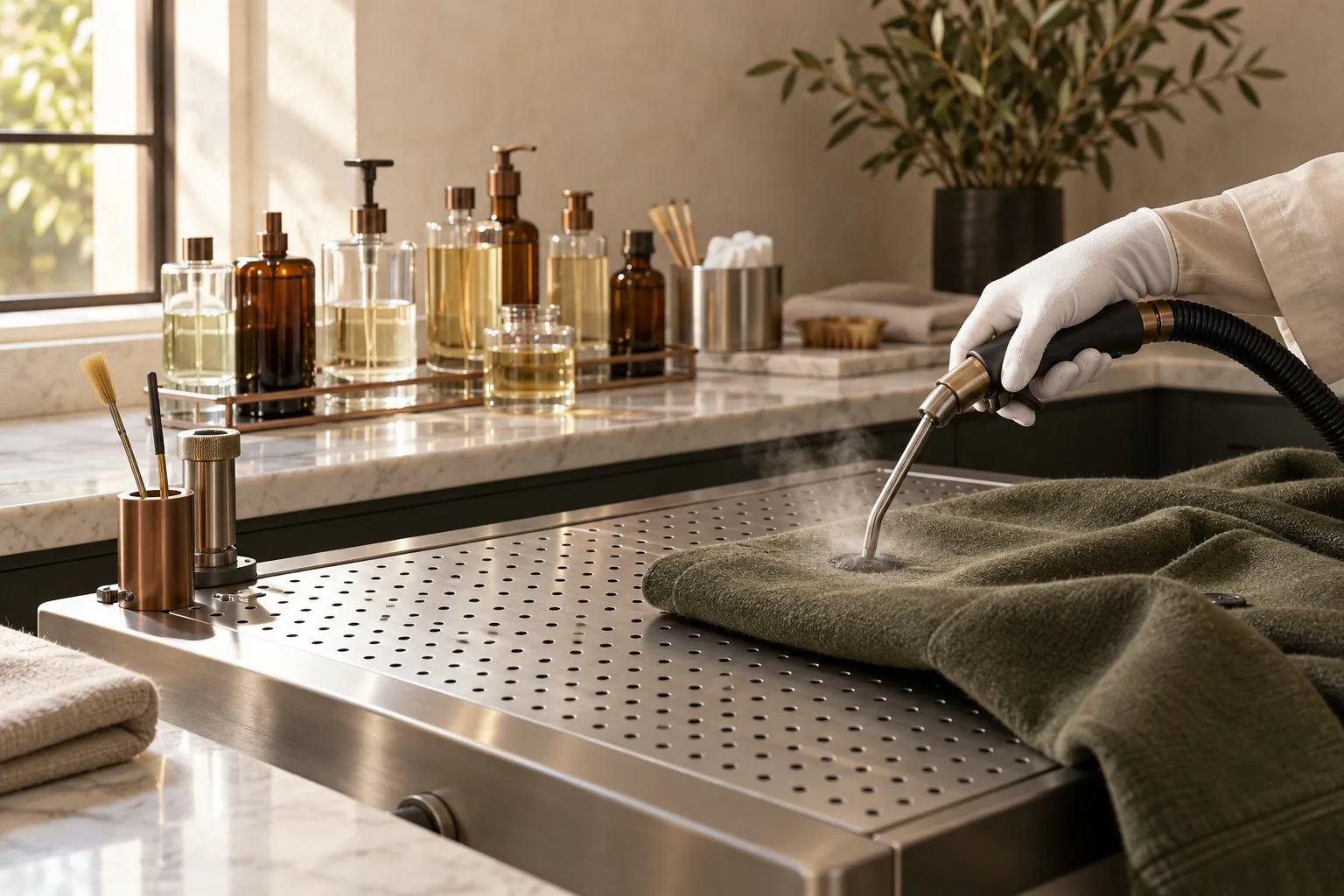
With COLOURLOCK products we remove grease, cream and old finish residue, because dye only bonds to a clean surface. Scratches, cracks and worn edges are filled with LeTech filler, smoothed, then checked again once dry.
We spray the dye in thin coats, drying and checking the colour between each one, because a single thick coat will not settle and cracks. We finish with a flexible protective top coat and, on suede, lift and brush the nap. Before handover we rub the surface with a white cloth to confirm the colour does not transfer.
Yes, but with different products and a different finish. On suede the colour goes into the nap and no glossy top coat is applied, so the surface still feels like suede. We lift and brush the nap at the end.
Once dry, the dye is sealed under a protective finish, so the colour does not transfer in normal wear. Before handover we wipe the surface with a white cloth; if any colour shows, the job is not finished.
Going from a dark colour to a light one is not possible, because the old pigment stays in the surface. Moving to a near shade or a darker colour is realistic. At inspection we show which shades are available.
If the leather itself is sound — seams intact, surface not hardened or flaking — dyeing makes the item wearable again. It is worth checking before buying a replacement. If the leather is dried out and crumbling, dyeing will not help, and we say so plainly at inspection.
For stains that will not lift, dyeing is a real solution, but the source has to go first: where grease or cream remains, dye will not hold. We degrease, even out the surface if needed, and dye afterwards. Sometimes the whole panel has to be dyed, not just the stained spot.
You can bring it to any of our four branches: 28 May, Nərimanov, Ağ Şəhər or Elmlər. Intake happens at the branch and the work is done in our workshop. A courier can also collect it — *3338. Dyeing takes longer than dry cleaning because every coat dries separately; we give the exact date after inspection.
Cleaning and colour restoration
We keep the hide fed and lift the pile.
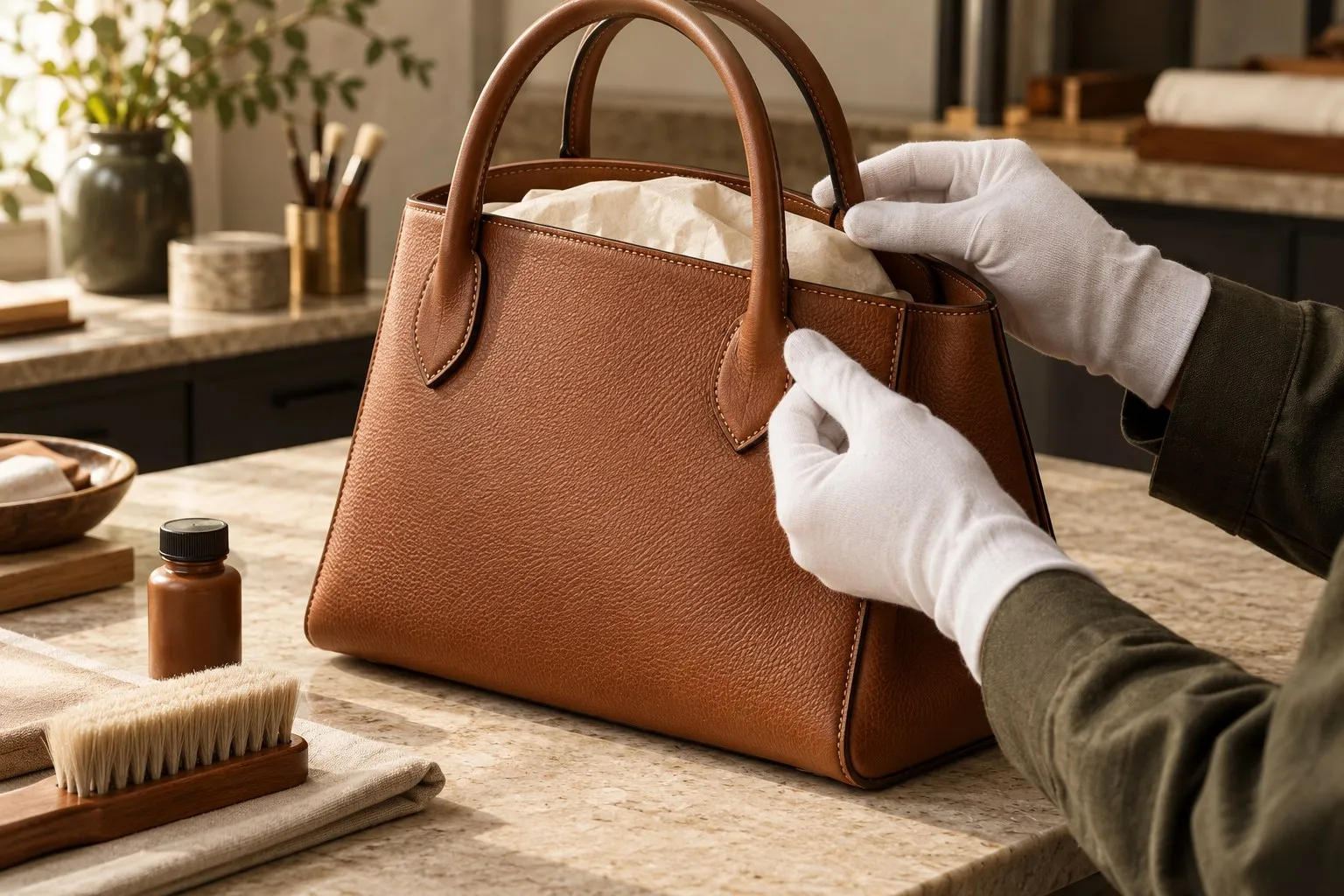
Care for bag surfaces and linings